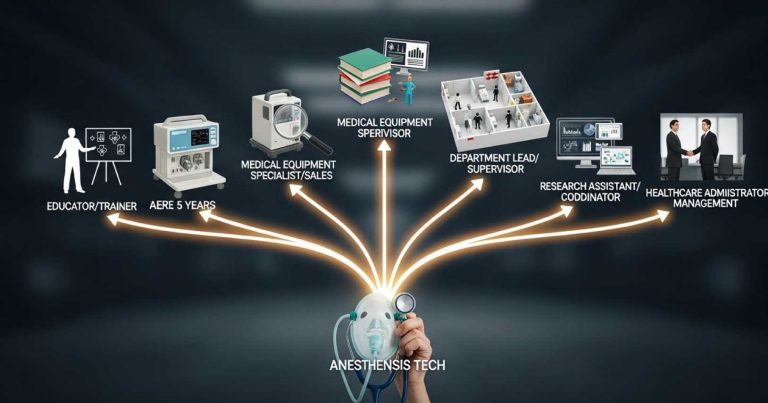
BLUF (Bottom Line Up Front): For 2026, the average entry-level Anesthesia Tech salary ranges between $40,100 and $55,000 annually. Starting hourly rates typically fall between $19 and $25 per hour. Your first-year pay is most heavily influenced by your geographic location and whether you have completed an accredited program vs. receiving strictly on-the-job training (OJT).
Introduction
Stepping into the Operating Room for the first time as a professional is exhilarating, but the “first-year jitters” usually extend to your bank account. If you are browsing Reddit’s r/operatingroom or Quora, the most common question from newcomers is: “Am I being underpaid for my first year?”
The reality is that entry-level pay in anesthesia technology is highly variable. While some prestigious teaching hospitals in Boston or San Francisco might offer higher starting wages, smaller community clinics may start lower. However, the first year is less about the paycheck and more about building the Technical Expertise that triggers massive raises in years two and three.
In this guide, we break down exactly what your first 12 months of paychecks will look like and how to ensure you are at the top end of the entry-level bracket.
First-Year Salary Breakdown: The Numbers
During your first year, you are essentially in an “extended orientation.” Most hospitals realize you are still mastering the Dräger or GE equipment setups, and the pay reflects this “learning phase.”
| Percentile | Annual Salary (Entry-Level) | Hourly Rate |
| 10th Percentile2 | $39,0753 | $18.784 |
| 25th Percentile | **$43,200** | $20.77 |
| Average (First Year) | **$48,900** | $23.51 |
| 75th Percentile (Top Entry) | **$55,000** | $26.44 |
Entry-Level Pay by State (2026 Estimates)
Location remains the biggest driver of your starting wage. Note that states with higher starting pay often have a much higher cost of living.5
| State | Entry-Level Avg (Year 1) | Top-End Entry (Certified) |
| California | $50,000 – $55,000 | $62,000 |
| Washington | **$48,500 – $53,000** | $59,000 |
| Texas | **$39,000 – $44,000** | $48,000 |
| Florida | **$34,000 – $41,000** | $45,000 |
| New York | **$42,000 – $50,000** | $56,000 |
💡 Inn-Sider Tip: Don’t ignore the “Sign-On Bonus.” In 2026, many hospitals are offering $2,000 to $5,000 sign-on bonuses for new techs who commit to a two-year contract. This can effectively boost your first-year “salary” by 10%.
Cert VS. OJT: How Education Impacts Your First Check
How you entered the field dictates your starting power.
- On-the-Job Training (OJT): If a hospital hires you with zero experience and trains you, expect to start at the bottom of the scale (approx. $19–$21/hr).
- Associate Degree Graduate: Graduates of accredited Anesthesia Technology programs are viewed as “plug-and-play.” They often start 15% higher (approx. $24–$27/hr).
- ASATT Certified (Cer.A.T.T.): While difficult to obtain before your first day, having your certification within the first 6 months usually triggers an automatic pay bump.
The “Innovation” Angle: Boosting Your Value in Year One
At TechEdInn, we believe Innovation in Technical Education is your fastest path to a raise. To move from the “entry” bracket to the “mid-level” bracket before your first anniversary, focus on these three skills:
- Digital Literacy: Master the AIMS (Anesthesia Information Management Systems) like Epic OpTime. Techs who never struggle with the software are seen as high-value assets.
- Troubleshooting Mastery: Don’t just clean the machines; learn why the leak test failed. Being the person who can fix a Dräger workstation without calling BioMed makes you indispensable.
- Vibe Coding for Study: Use AI tools to build your own “Anesthesia Drug Interaction” or “Equipment Checklist” apps. Showing this level of initiative often leads to early promotions.
Frequently Asked Questions
Q: Is $20/hr a good starting wage for an Anesthesia Tech?
A: In 2026, $20/hr is considered the baseline. If you are in a major city or have an Associate Degree, you should aim for closer to **$23–$25/hr**.
Q: Do I get a raise after my 90-day probation?
A: Many hospitals offer a “merit increase” or a small “bump” (typically 3–5%) once you successfully complete your initial orientation and clinical competencies.
Q: Can I travel in my first year to make more money?
A: No. Almost all travel agencies require a minimum of 1–2 years of staff experience. You must pay your dues at the staff level before you can capture those $2,000+/week travel contracts.
Your First Step into the “Inn”
Starting your career in the OR is a marathon, not a sprint. While your entry-level salary might feel modest, you are being paid to learn one of the most specialized technical roles in healthcare.